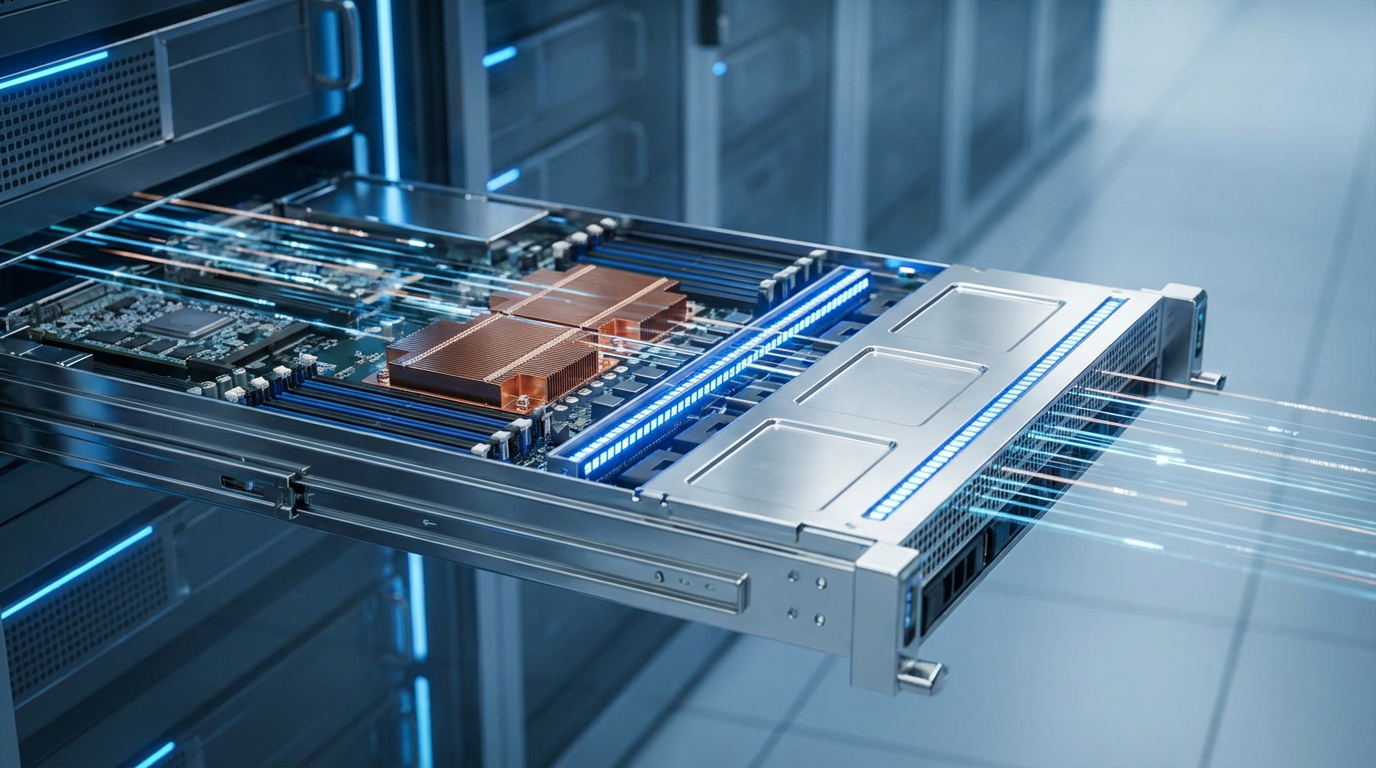
When it comes to hosting demanding applications, not all infrastructure is created equal. Bare metal servers represent the gold standard for organizations that need maximum performance, complete control, and predictable latency.
What is a Bare Metal Server?
A bare metal server is a physical server dedicated entirely to a single tenant. Unlike virtual machines (VMs) or cloud instances that share hardware resources, a bare metal server gives you direct access to all computing resources without any virtualization layer.
Key Benefits of Bare Metal
1. Maximum Performance
Without a hypervisor consuming resources, you get 100% of the CPU, RAM, and I/O bandwidth. This is critical for:
- Database workloads requiring consistent low latency
- Machine learning training with GPU acceleration
- High-frequency trading where microseconds matter
- Gaming servers needing predictable frame times
2. Enhanced Security
Physical isolation means your data never shares hardware with other tenants. This provides:
- Complete control over the security stack
- No risk of hypervisor-level vulnerabilities
- Compliance with strict regulatory requirements
- Hardware-level encryption options
3. Predictable Pricing
Unlike cloud providers with complex billing, bare metal typically offers simple, predictable monthly costs without surprise charges for bandwidth or IOPS.
When to Choose Bare Metal
Consider bare metal when you need:
- Consistent, low-latency performance
- Full root access and hardware control
- Compliance with data sovereignty requirements
- Cost predictability at scale
Conclusion
While cloud and virtualized solutions have their place, bare metal servers remain the best choice for performance-critical applications. At BitRefinery, we specialize in enterprise-grade bare metal infrastructure designed for demanding workloads.
Ready to experience the difference? Contact us to discuss your requirements.